The Quiet Brief: Why Exceptional Dining Begins Before the Table Is Found
The finest restaurant reservation is not simply a seat secured. It begins with a precise understanding of occasion, rhythm, taste and context—then turns that brief into a dining experience that feels entirely natural.
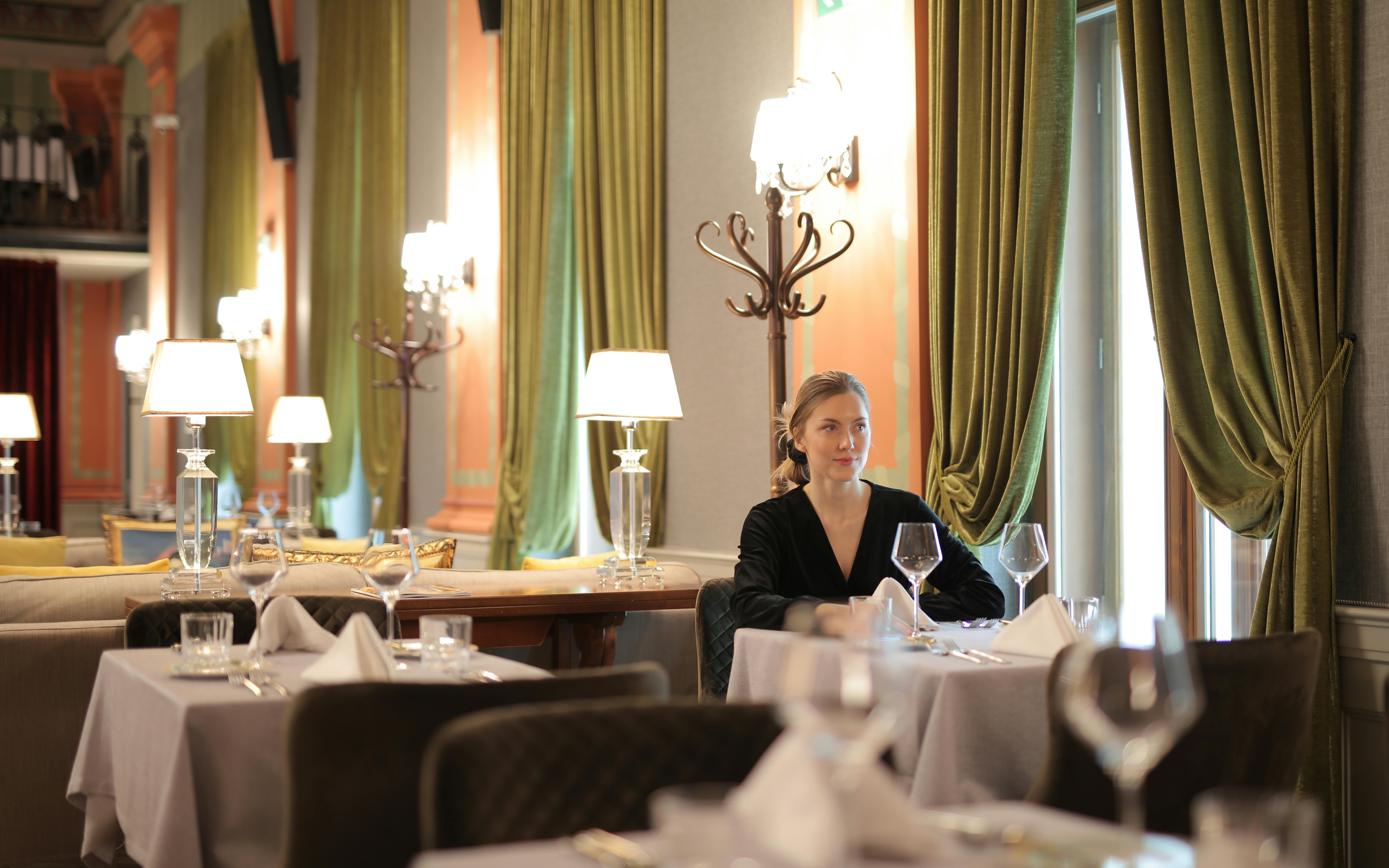
Before the Table Is Found
The most valuable part of a fine-dining reservation is often the part a guest never sees. It is the considered exchange before the booking is made: the reason for the evening, the pace of the journey, the company at the table, the cuisine that will feel relevant rather than merely fashionable, and the details that should be understood without being repeatedly explained.
This is the quiet brief. It is where a restaurant reservation becomes a form of personal service rather than a simple transaction.
For a global client, finding an available table is rarely the complete objective. The right choice must also correspond with the occasion. A private dinner with a long-standing partner requires a different atmosphere from a first meeting with an important client. A family celebration may call for warmth and flexibility, while a late arrival between international commitments may demand a location and service rhythm that protect the evening from unnecessary pressure.
The role of a Dining Reservation Concierge is therefore not only to locate a restaurant. It is to interpret intent, narrow the field and communicate the guest's priorities with discretion. VERTU's High-End Restaurant Booking service is positioned around this more exacting understanding of hospitality: a seamless, private and non-stressful gourmet experience, designed around the individual rather than the booking platform.
From availability to relevance
The luxury dining market is full of visible signals: awards, celebrated chefs, fashionable rooms and difficult-to-obtain tables. These signals can be useful, but they do not answer the most important question: is this the right restaurant for this particular evening?
Leading dining concierge services make a similar distinction. Sienna Charles describes its work as matching members' preferences with restaurants, chefs and experiences, while presenting access to both sought-after venues and less obvious local discoveries. Table Elite likewise places emphasis on taking a guest's preferred date, time, restaurant and special requirements before confirming availability and costs.
The implication is significant. A high-end restaurant booking should begin with context, not a list. The concierge's value lies in translating a personal intention into a carefully considered set of options.
| The visible request | The deeper brief |
|---|---|
| "Find a table in London" | Find a setting that suits the guest's schedule, company and desired level of privacy. |
| "Book somewhere impressive" | Identify a restaurant whose food, service and atmosphere will be meaningful for the occasion. |
| "Arrange dinner at short notice" | Reduce uncertainty while presenting realistic alternatives if the first preference is unavailable. |
| "Make it special" | Carry dietary, seating, timing and celebration details to the restaurant with clarity and restraint. |
This process avoids a common weakness in luxury services: confusing abundance with judgement. A longer list is not necessarily a better recommendation. The stronger approach is to remove what does not belong.
The discipline of a well-formed dining brief
A well-formed brief does not need to be elaborate. It needs to be accurate. The essential information usually concerns five areas: the purpose of the evening, the guests, the preferred cuisine or mood, the practical constraints, and the details that would make the experience feel considered.
The purpose defines the tone. The guests define the level of formality and flexibility. Cuisine establishes direction without closing the door to discovery. Practical constraints - arrival time, location, dietary requirements and mobility considerations - protect the experience from avoidable friction. Finally, personal details such as a preferred table, a quiet corner or a milestone celebration allow the restaurant to prepare appropriately, subject to its own availability and policies.
This is not about manufacturing an exaggerated sense of importance. It is about respecting the evening enough to prepare for it properly. The best service often feels understated because the relevant information has travelled ahead of the guest.
Why last-minute does not have to mean careless
International lives are rarely arranged in perfect sequences. Meetings move, flights arrive late and opportunities appear without much notice. That does not mean the resulting dinner should feel improvised.
Publicly available information from established restaurant concierge providers shows that the category commonly addresses both advance planning and last-minute requests, while making clear that a request is not the same as a guaranteed confirmation. This distinction is important. A credible concierge does not promise what a restaurant cannot promise. Instead, it manages the request carefully, communicates the actual position and develops sensible alternatives when necessary.
A discreet alternative may involve a different seating time, a restaurant with a comparable culinary profile, a private dining format or a nearby venue that better protects the guest's schedule. The objective is not to force a single outcome. It is to preserve the quality and intention of the evening.
The VERTU approach: service as reduction
In the VERTU world, luxury is rarely best expressed through excess. It is expressed through what has been removed: the repeated search, the uncertain exchange, the need to explain the same preference to several people, and the pressure of making a decision without sufficient context.
High-End Restaurant Booking is therefore best understood as a service of reduction. It reduces the number of unsuitable options. It reduces the friction between a request and a confirmed plan. It reduces the risk that a significant evening will be shaped by an avoidable administrative detail.
The result should not feel over-managed. It should feel natural. The restaurant should suit the occasion, the timing should make sense, and the guest should be able to arrive with the calm knowledge that the important details have been considered.
A better standard for the modern dining concierge
The modern standard is not simply access to a famous restaurant. It is the ability to make access meaningful. This requires a balance of knowledge, communication and restraint.
A concierge should know when to recommend a recognised destination and when to suggest a less predictable address. It should know which details need to be passed to the restaurant and which should remain private. It should communicate limitations directly, without turning uncertainty into drama. Above all, it should understand that a reservation is part of a larger personal itinerary, not an isolated calendar entry.
For VERTU clients, that standard points towards a more intelligent form of gourmet service: one in which the guest's time, privacy and peace of mind are treated as part of the experience itself.
The table is only the beginning
A great restaurant can provide the setting, the kitchen and the service. The right reservation concierge makes sure those strengths meet the right guest at the right moment.
That work begins before the table is found. It begins with listening carefully, asking only what is necessary, understanding what remains unsaid and turning a personal intention into a practical, well-judged arrangement.
This is the quiet brief: an invisible layer of preparation that allows the evening to feel effortless. And in high-end dining, effortlessness is not the absence of care. It is the evidence that care has been applied in the right places.