The Composed Evening: Why High-End Restaurant Booking Is Becoming a Matter of Judgement
The finest dining experience does not begin when the first course arrives. It begins with choosing the right room, rhythm and level of discretion for the life surrounding the meal.
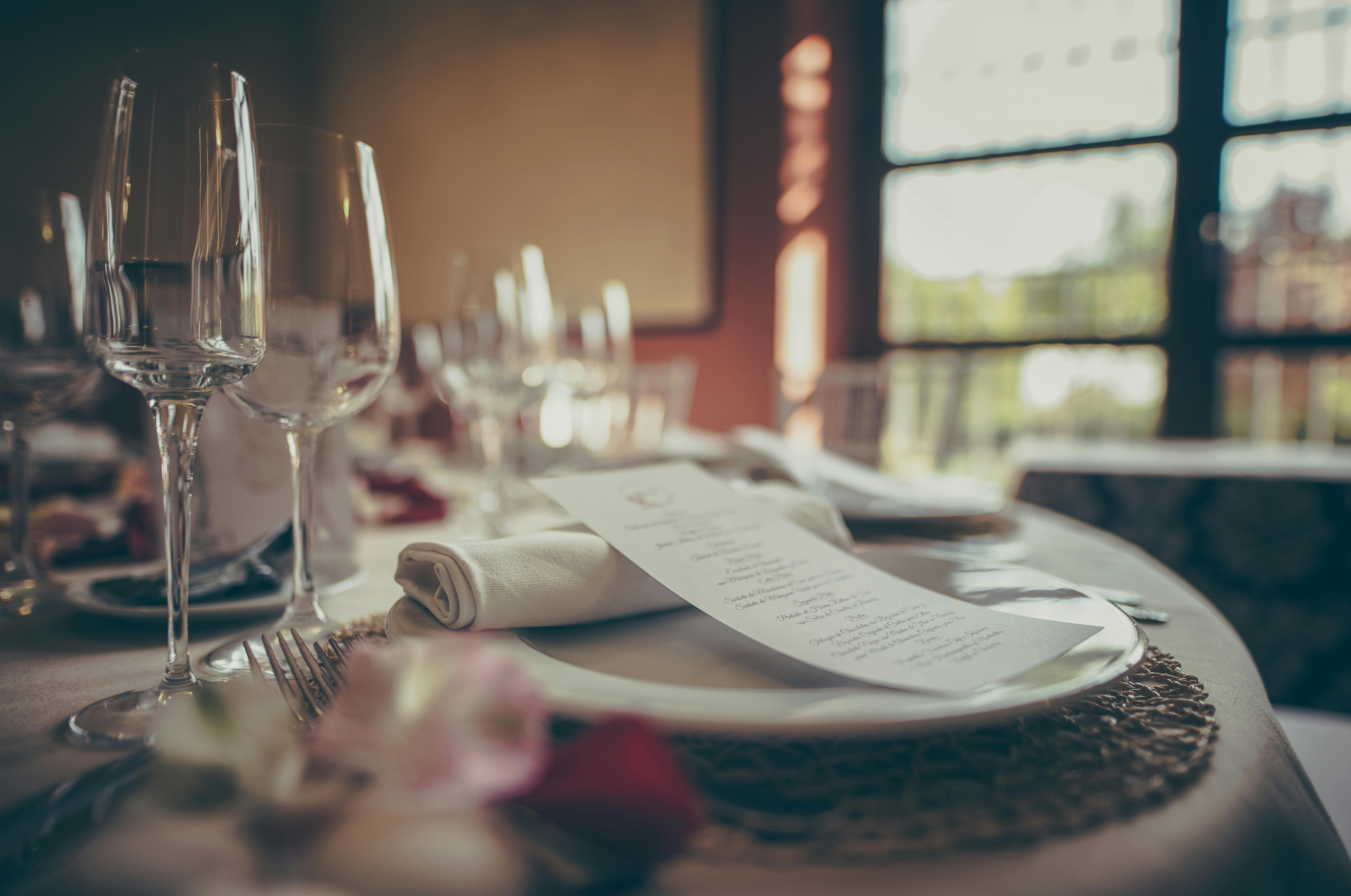
The most difficult part of an important dinner is not always securing a table. Increasingly, it is deciding what the evening is meant to do. A restaurant may be celebrated, fully booked or technically available, yet still be wrong for a private conversation, a first meeting, an anniversary, a working dinner between flights or a night in which the meal itself should remain the centre of attention.
This is where High-End Restaurant Booking becomes more than a search for availability. Properly understood, it is a form of dining judgement: the quiet work of matching an occasion with the right setting, pace, service culture and degree of privacy. For clients moving between cities, responsibilities and time zones, that judgement can be as valuable as the reservation itself.
From access to fit
Luxury restaurant concierge services commonly position themselves around access to sought-after venues, difficult reservations and last-minute requests. Sienna Charles, for example, describes a model built on understanding a member's preferences, curating restaurants around refined tastes and handling the practical details surrounding the experience. The Sincura Group similarly presents gastronomic concierge as a service extending beyond priority reservations into private dining, chef's tables, event catering and global dining itineraries.
Access remains important. But access alone is an incomplete definition of value. A table obtained without understanding the guest can create a different kind of friction: the wrong room, an unsuitable tasting menu, a schedule that compresses the evening or an atmosphere that makes conversation difficult. The more considered approach begins earlier, with the question behind the request.
| The visible request | The underlying decision |
|---|---|
| "Find us the best restaurant in the city." | What should the evening make possible? |
| "Book somewhere exclusive." | Is the priority privacy, recognition, discovery or proximity? |
| "We need a table tonight." | Which compromises are acceptable, and which are not? |
| "Arrange dinner for important guests." | What tone should the setting establish before the conversation begins? |
A credible concierge does not treat every difficult booking as a victory. It recognises when a less obvious venue may produce the more memorable evening, and when the guest's time, discretion or comfort should take precedence over a familiar name.
The new pressure on the dining decision
The contemporary dining landscape is becoming more spontaneous and more experience-led at the same time. OpenTable's 2026 US Dining Trends Report identifies growing interest in last-minute availability and reports a year-on-year increase in experiential dining on its platform. Its research also indicates that landmark occasions such as anniversaries can carry a higher average spend than ordinary restaurant visits.
These findings describe the United States rather than the global luxury market, but they point to a wider shift: dining is increasingly being chosen not only for what is served, but for what the occasion is intended to become.
That shift makes the booking conversation more nuanced. A client may want a celebrated tasting menu, but not necessarily the longest one. They may want a chef's table, but only if it does not compromise privacy. They may be seeking a restaurant with a certain cultural language, a particular architectural mood or a reliable relationship between the table and the rest of an itinerary. The request may arrive in a single sentence; the decision behind it rarely does.
A quieter form of expertise
The best dining recommendations are not a catalogue of famous names. They are concise arguments. They explain why a particular restaurant suits the people, the purpose and the available time. They also make uncertainty visible. Availability may change. Restaurant policies may limit flexibility. A special request may be noted but cannot always be guaranteed. A thoughtful service does not conceal those realities behind grand language; it manages them calmly.
This is the distinction between promotion and counsel. Promotion asks the client to desire a place. Counsel helps the client understand whether the place belongs in this particular evening.
For a VERTU client, that counsel should feel personal without becoming intrusive. It should take account of the occasion, the desired level of discretion, dietary or service considerations, arrival and departure logistics, and the possibility that plans may evolve. It should preserve the client's agency while removing the need to repeat the same information across multiple channels. The result is not an exaggerated sense of privilege. It is a composed sense of control.
Privacy is an atmosphere, not merely a room
Privacy in dining is often described as a secluded table or a private room. In practice, it can involve much more: the distance between tables, the cadence of service, the discretion of the welcome, the handling of personal preferences and the absence of unnecessary explanation. The Sincura Group explicitly acknowledges that some occasions call for "serenity, discretion, and exclusivity," a useful reminder that the social texture of a restaurant can matter as much as its menu.
A dining concierge should therefore consider privacy as part of the experience architecture. The right answer may be an intimate dining room, a particular seating area, a quieter service period or a venue whose culture naturally respects the guest's need to remain undisturbed. This is especially relevant when dinner carries professional, family or diplomatic weight.
The value of time is the value of preparation
Luxury is often described as the ability to save time. In high-end dining, the deeper value is the ability to save attention. The client should not need to compare every room, read every menu, calculate every transfer or repeatedly explain the context of the evening. Those considerations can be handled before they become visible.
That preparation is not theatrical. It is a sequence of small, disciplined acts: clarifying the purpose of the dinner, distinguishing preferences from requirements, presenting a short and relevant selection, pursuing the preferred option, and maintaining a considered alternative when circumstances change. When handled well, the service disappears into the calm of the evening.
High-End Restaurant Booking with VERTU
Through its Dining Reservation Concierge role, VERTU positions High-End Restaurant Booking as a gourmet concierge offering for clients who expect dining to feel seamless, private and non-stressful. The emphasis is not on promising the impossible, nor on reducing fine dining to a list of hard-to-obtain tables. It is on understanding the client's intention and translating it into a dining plan with clarity and restraint.
That may mean pursuing a sought-after reservation. It may mean identifying a more suitable restaurant when the first choice does not align with the occasion. It may mean considering a chef's table, a private dining setting or a well-paced evening that sits naturally within a wider journey. In each case, the standard is the same: the recommendation should feel considered before it feels impressive.
The most successful dinner is rarely the one that required the most visible effort. It is the one in which the table, the timing, the atmosphere and the company seem to have arrived in the right relationship with one another.
That is the promise of a composed evening. Not simply a reservation, but the confidence that the dining decision has been made with judgement - and that the client is free to be fully present when the evening begins.